

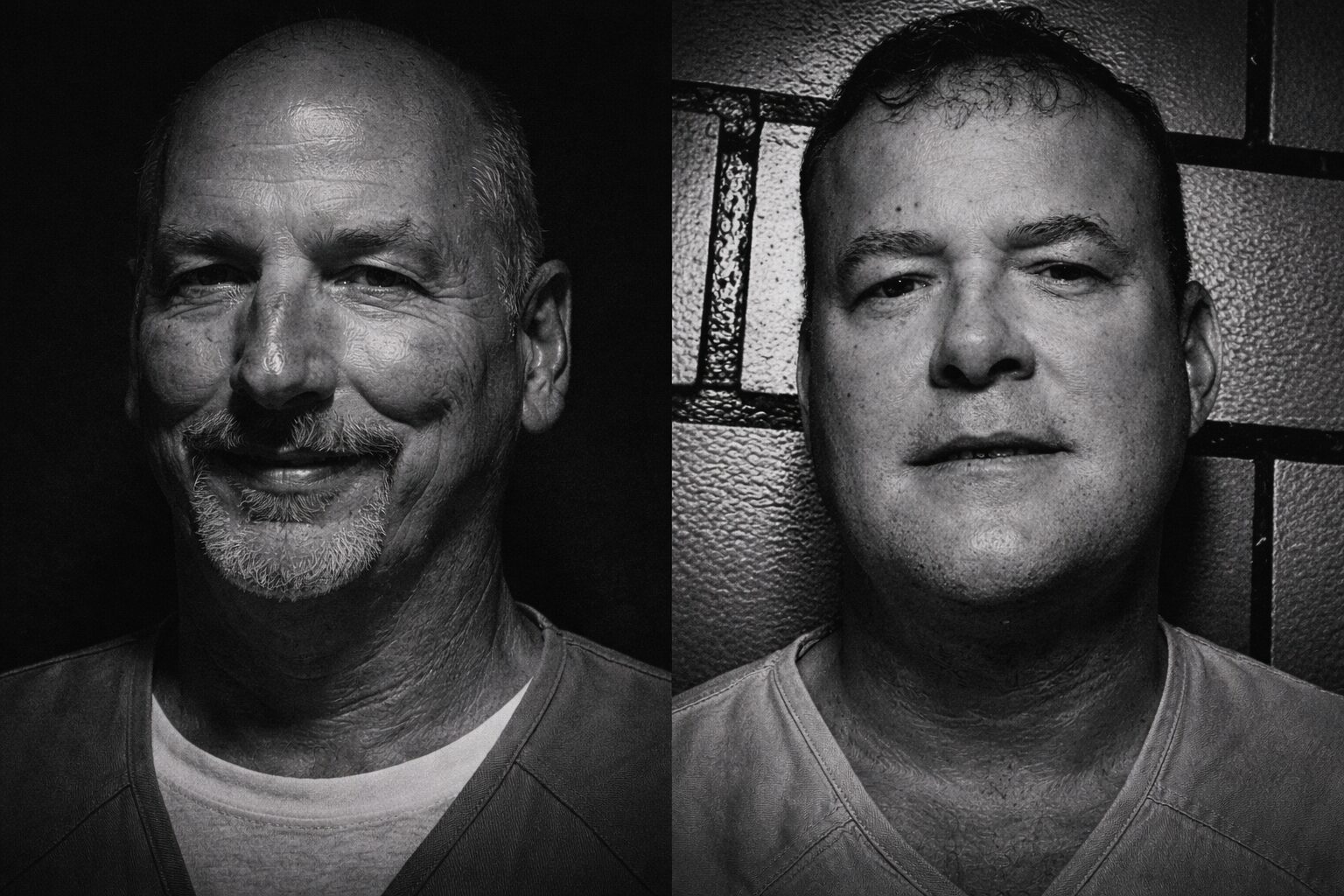
The Board of Parole Hearings has delayed a final decision on releasing Gregory Vogelsang following public backlash, political pressure, and organized opposition from victims and local officials.
For our previous breakdown of the case, sentencing, and parole eligibility, see Gregory Vogelsang, 355 Years to Life – Paroled?
The move comes after a parole panel approved Vogelsang—who was sentenced to 355 years to life for sexually abusing multiple young boys—for release under California’s elderly parole program. He has served 27 years and is now 57 years old.
In the days leading up to the decision, lawmakers, prosecutors, and victims’ advocates mobilized publicly in Sacramento, holding rallies and press events outside the hearing. The case quickly became another flashpoint, alongside that of David Allen Funston, a serial offender recently granted parole despite admitting ongoing sexual fantasies involving a child.
The backlash has triggered a rapid legislative response.
Several proposals now aim to overhaul the elderly parole framework:
- AB 2570 (Lackey/Hoover) would raise the eligibility age from 50 to 65.
- SB 365 (Jones) would restore earlier thresholds, requiring a minimum age of 60 and 25 years served.
- A proposal from Assemblymember Stephanie Nguyen would exclude or significantly restrict access for individuals convicted of serious sexual offenses, potentially requiring age 75 and 30 years served in aggravated cases.
These efforts reflect a broader argument from critics: that the current law—revised in 2020 to lower eligibility to age 50 and 20 years served—has expanded far beyond its original intent.
Local officials have also pointed to demographic shifts they say reflect the impact of these policies. Data from California’s Megan’s Law registry shows that the number of registered sex offenders in the Sacramento area has increased sharply in recent years, rising from roughly 201 in 2022 to 2,790 in 2026.
The Board did not reverse its earlier finding in Vogelsang’s case. Instead, it referred the decision for further review, pushing a final determination to a later hearing.
The legal standard governing that decision remains unchanged. Parole determinations are based on whether an individual presents a current and unreasonable risk to public safety—not on the severity of the original sentence.
What has changed is the level of scrutiny.
The Vogelsang case now sits at the center of a broader conflict between law, public pressure, and political response: a system applying one standard, and a legislature moving quickly to change it.