Category: Legal Coverage
-
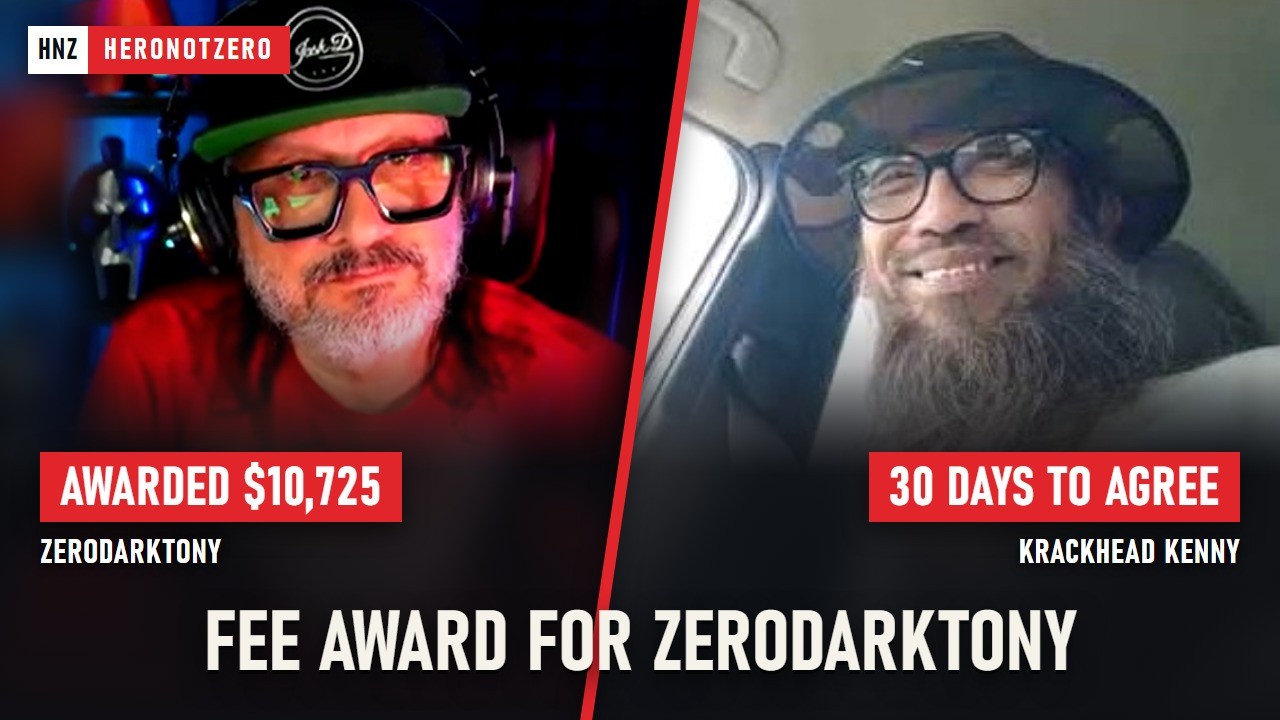
A judge awarded D’Amato’s lawyers less than half of what they asked Jarred Brooks to pay. That evening, D’Amato told viewers “the truth wins again” and said Brooks had been “court-ordered” to a financial assessment office. The minute order says nothing about one. Jarred Brooks, who represented himself and had his court fees waived, has…
-
A ruling on whether Jarred Brooks must pay Anthony D’Amato’s legal bill is now set for Oct. 29.
-
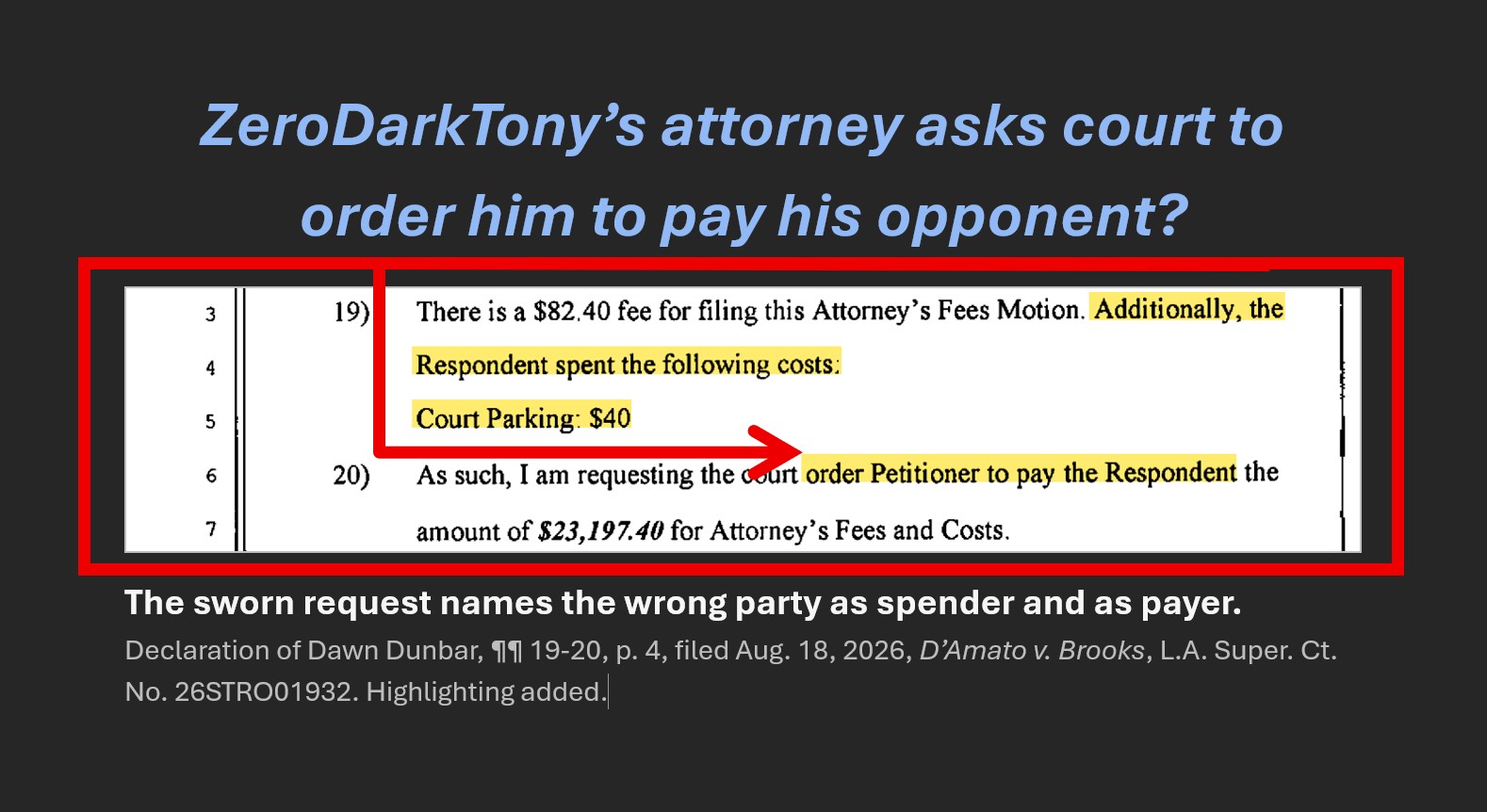
On Thursday, a Los Angeles judge will decide whether a self-represented Louisiana YouTube streamer who is known as Krackhead Kenny must pay legal fees to the attorneys who won a restraining order against him. His 16-page opposition makes a strong case that she should award nothing.
-
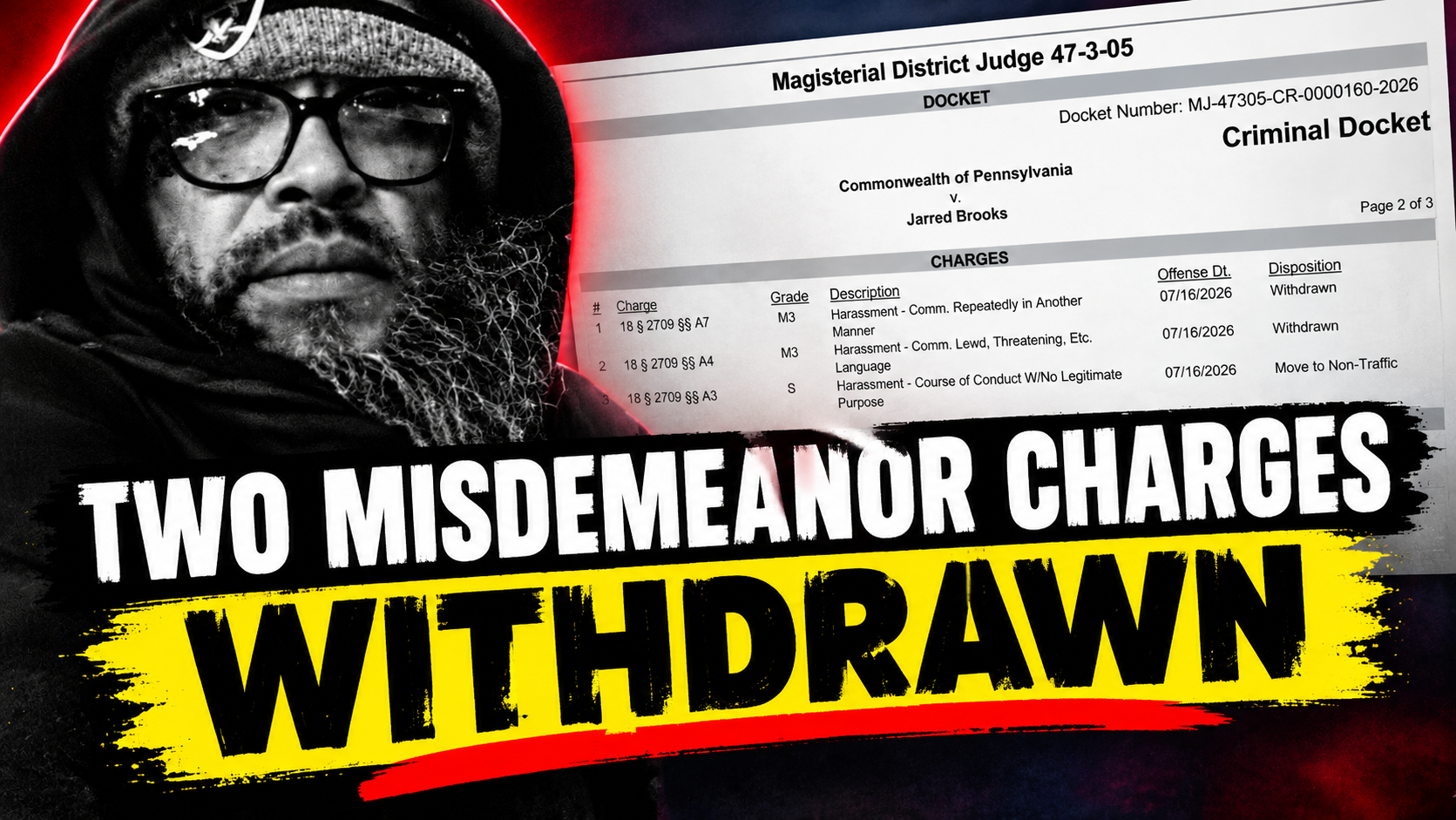
Both harassment misdemeanors against Jarred Brooks were withdrawn at his preliminary hearing; he pleaded guilty instead to a single summary offense.
-
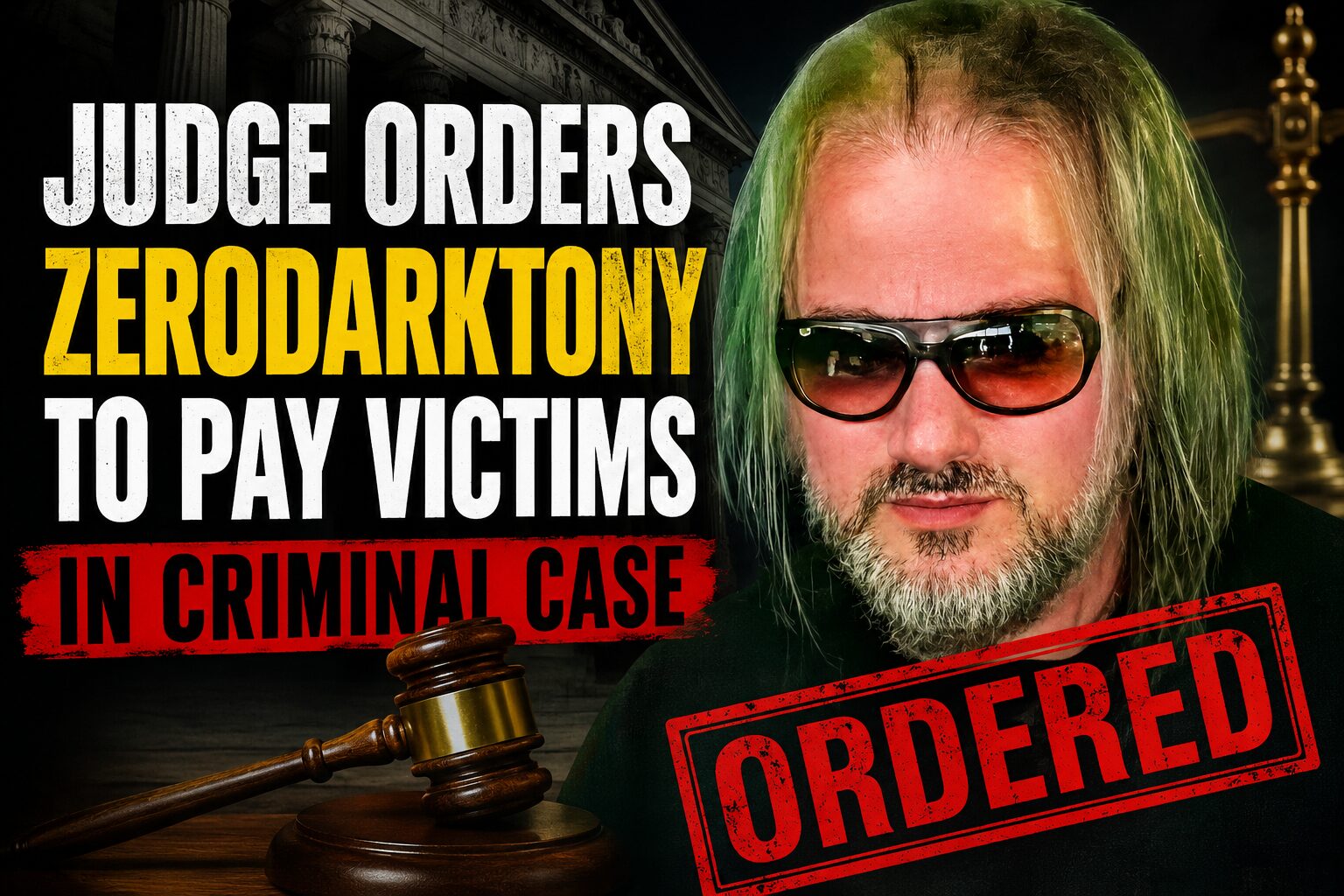
On June 26, 2026, Anthony R. D’Amato, Jr. (ZeroDarkTony) left Department 51 of the Clara Shortridge Foltz Criminal Justice Center owing $7,757.91 and failing to escape court‑ordered labor hours. With prosecutors documenting a continuing pattern of conduct they say violates probation, the judge issued an admonishment and ordered him to comply with probation terms and…
-

A California court granted ZeroDarkTony a five-year restraining order against a Louisiana man it had never fully heard. The record the court didn’t see comes from D’Amato’s own streams, sworn Louisiana police reports, and the public file of his recent criminal case.
-

ZeroDarkTony Oral Argument in Sasson v D’Amato California Court 2nd Appellate District David Weber and Steven Tamer
-
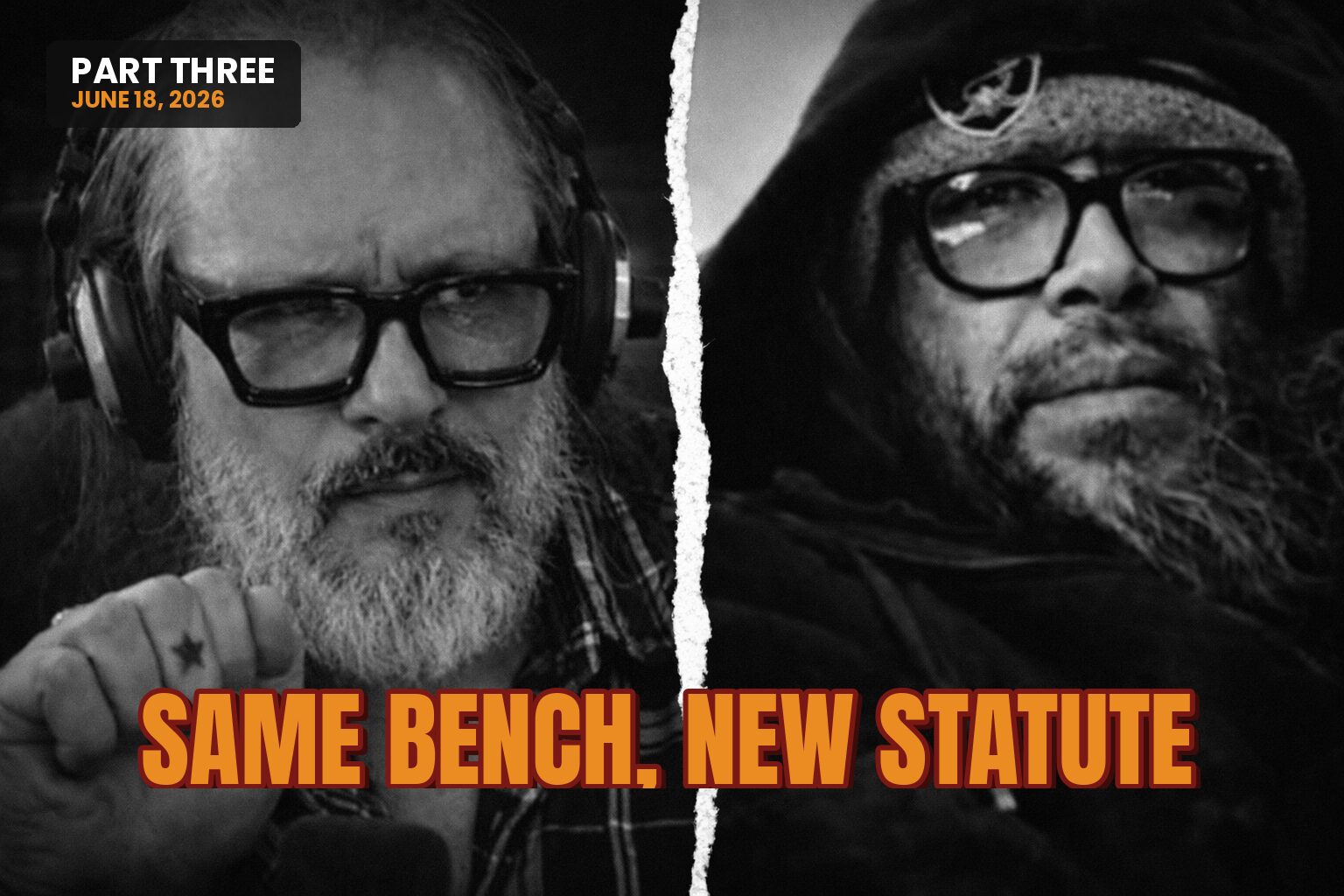
In the courtroom fight over whether California could reach a Louisiana man who had never set foot in the state, Jared Brooks invoked California’s procedure for challenging a judge’s impartiality. The challenge itself appears to have disappeared into a continuance.
-

ZeroDarkTony promises a new wave of lawsuits, subpoenas, and efforts to unmask anonymous online critics “no matter what happens” in his upcoming California court case against Krackhead Kenny. During the broadcast, D’Amato claimed additional “John Does” would be added to filings, threatened to expose chat participants and donors through subpoenas, and raised money for what…
-
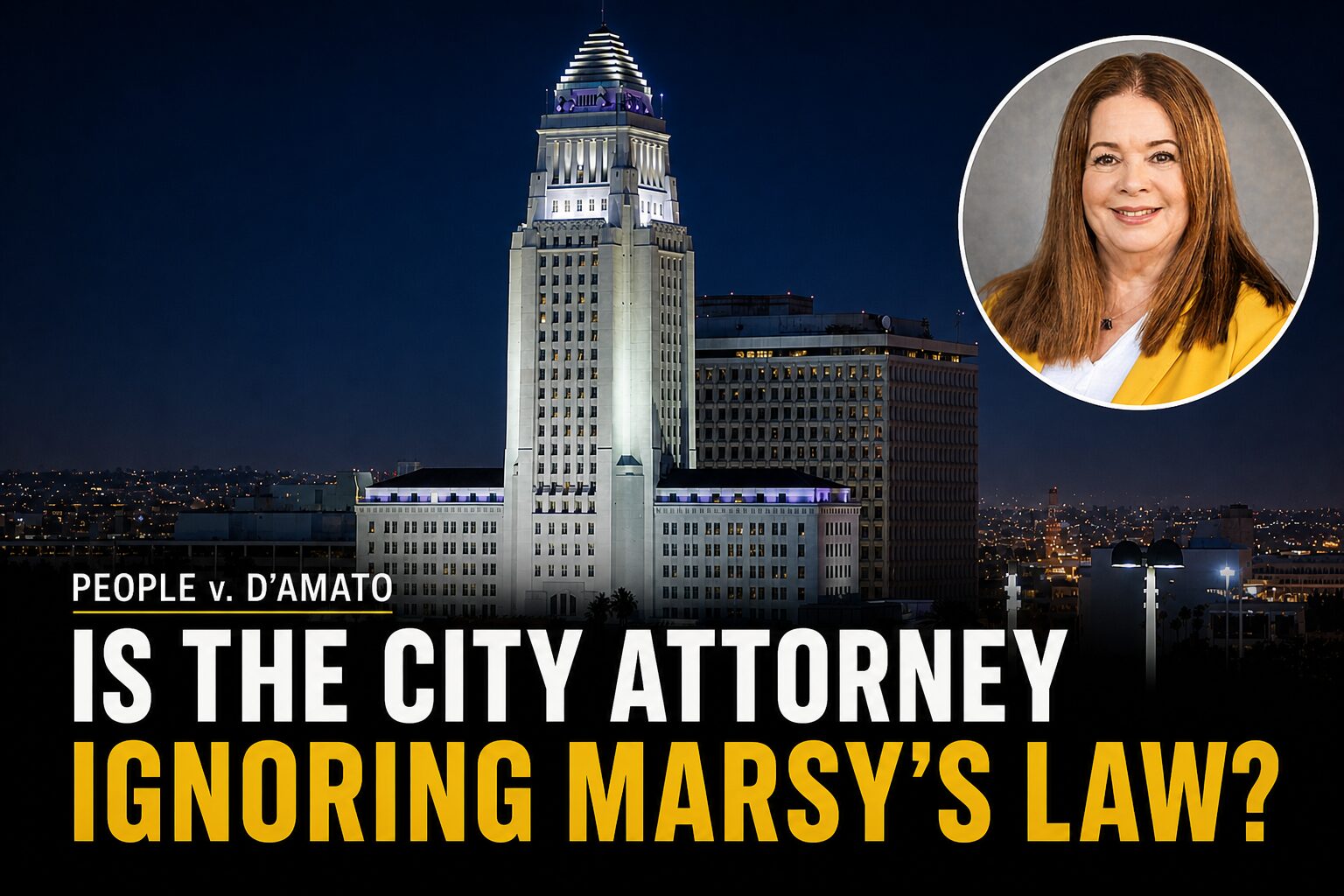
A case involving the harassment of a minor ended in a plea deal without victim consultation. A formal complaint followed. The court was put on notice. And still, by the time of the restitution hearing, no corrective action came. In People v. D’Amato, Marsy’s Law wasn’t just overlooked—it was ignored.